

Important Basics to Know About Installing Smoke Detectors
Proper smoke detector installation is one of the most important steps for household safety. A poorly placed smoke alarm can create a false sense of security, leaving a residence unprotected when it matters most. This guide removes the guesswork, covering ideal placement, testing, and upkeep. Explore the essentials to ensure smoke detectors deliver reliable protection and true peace of mind.
Importance of Smoke Alarm Placement
Thoughtful smoke detector installation throughout a dwelling creates layered protection and early alerts. Correctly placed smoke alarms can warn occupants before smoke and flames block exits or travel paths. Every sleeping area should have its own smoke detector, with additional units in hallways outside bedrooms to catch smoke before it spreads. Living rooms, family rooms, and other gathering spaces also merit coverage due to common ignition sources.
Multi-level homes benefit from smoke alarm installation on each floor, including basements and finished attics, where issues can begin unnoticed. Interconnected smoke alarms—where one alarm triggers all—offer comprehensive coverage by ensuring alerts reach every level regardless of the fire’s origin. This multi-point approach builds overlapping zones of protection that help compensate for device failure or delayed maintenance.
Benefits of Professional Smoke Detector Installation
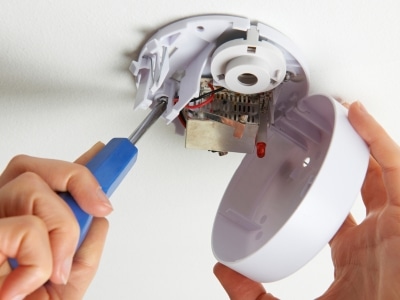 Professional smoke detector installation supports compliance with local codes and ensures correct placement for maximum effectiveness. Trained technicians evaluate airflow, ceiling heights, and room layout to position smoke alarms where detection is most reliable while minimizing nuisance trips.
Experts can also advise on technology choices, such as photoelectric, ionization, and dual-sensor models, along with smart, interconnected systems. Guidance from an experienced installer helps select the right mix of smoke detectors for each space, ensures proper power sources and interconnection, and provides clear testing routines. The result is a tailored solution that enhances safety and reduces the risk of missed alarms.
Signs Smoke Detector Replacement Is Needed
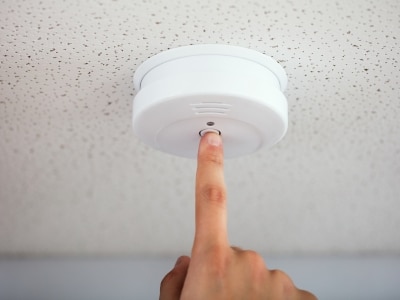 Knowing when smoke detector replacement is due safeguards against reduced sensitivity or device failure. Alarms that are around a decade old, even if still functioning, should be evaluated for smoke alarm replacement to maintain dependable detection. Units that fail a routine test, despite fresh batteries, often suffer from internal sensor degradation and should be replaced promptly.
Persistent chirping that continues after battery changes points to internal component issues rather than power loss. In these cases, smoke alarm replacement is the safest course. Regular inspections, testing, and timely upgrades ensure a dependable system that supports swift evacuation and protects property and lives.
About Sasquatch Heat Pumps
Sasquatch Heat Pumps is a leading provider of expert HVAC and electrical services in Sooke and the neighboring areas. They take pride in offering flat-rate pricing and on-time service from trusted technicians, so that customer satisfaction is guaranteed. Call them today for Smoke Detector Installation in Sooke, BC.
)

 Regular
 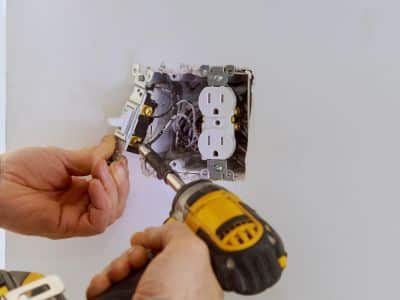 Professional electricians conduct a thorough, whole-home safety inspection to identify and address potential issues and hazards. During these comprehensive assessments, they examine a home’s electrical system, including GFCI and AFCI outlets, circuit breakers, electrical panels, wiring, whole-house surge protectors, and more, ensuring everything operates properly, safely, and meets current electrical code requirements.
 )